
How a project runs
- 1
Brief
Describe the deliverable. We turn it into a scoped brief with assumptions and exclusions written down.
- 2
Scope approval and quote
You approve the scope and the price before work starts. Change requests are handled explicitly, not absorbed silently.
- 3
Talent selection
We assign verified talent or a small team suited to the deliverable. You are not managing a bidding process.
- 4
Milestones
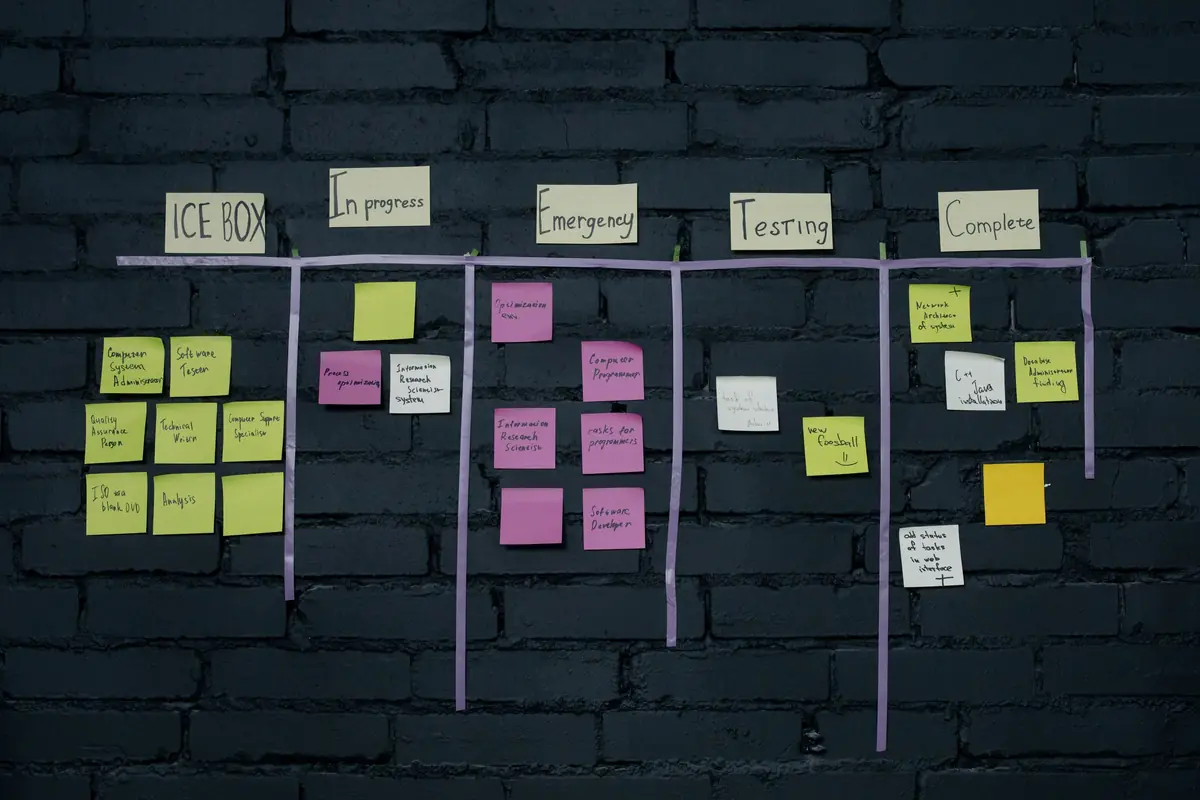
Work is broken into milestones with due dates and acceptance criteria, visible throughout.
- 5
Quality assurance
For selected categories, a Taskopedia checkpoint reviews the work before it is submitted to you.
- 6
Delivery and approval
You accept or request revisions against the agreed acceptance criteria, with file versions retained.
- 7
Structured review
A review tied to the actual engagement, which feeds the talent reputation record.
Common questions
- How is a project priced?
- You approve the scope and the price before work starts, and change requests are handled explicitly rather than absorbed silently. Hourly Projects are $8 – $15/hour, and Fixed-Price Projects have custom pricing based on scope and timeline.
- Who does the work on a project?
- Taskopedia assigns verified talent or a small team suited to the deliverable, so you are not managing a bidding process.
- How is the work checked before I receive it?
- For selected categories, a Taskopedia checkpoint reviews the work before it is submitted to you. You then accept it or request revisions against the agreed acceptance criteria, with file versions retained.
- What kinds of projects are a good fit?
- Brand and design work, landing pages, catalogue and data operations, content production, marketing campaigns and defined development tasks. Open-ended work whose scope cannot be defined yet suits a part-time hire or a team better.
- Will I be asked to judge unpaid spec work or bids?
- No. Taskopedia does not work through unpaid speculative work, spec pitches or a race to the lowest bid; trials are paid and scoped.
One place for the whole project
Scope, files, deadlines, change requests, messages and approvals live in a single project record. When a disagreement happens, the answer is usually already written down: what was agreed, when it was submitted, and what was accepted.
Good fit
Brand and design work, landing pages, catalogue and data operations, content production, marketing campaigns, defined development tasks.
Less good fit
Open-ended work where the scope genuinely cannot be defined yet. A part-time hire or a team suits that better.
Not how we work
Unpaid speculative work, spec pitches, or a race to the lowest bid. Trials are paid and scoped.